


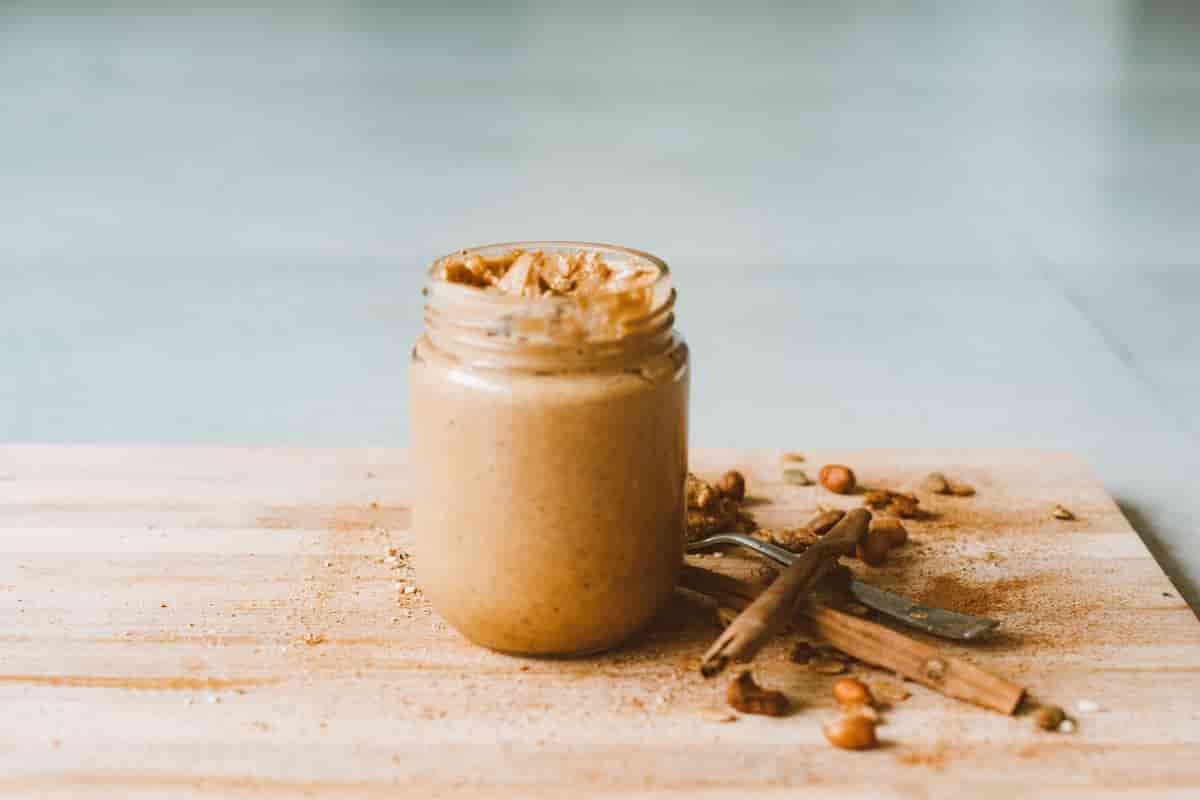
Here is your complete guide to low sodium peanut butter.
Introduction to Low Sodium Peanut Butter
Peanut butter is a convenient, flavorful food that works well in breakfasts, snacks, smoothies and sauces. However, some varieties contain a significant amount of added salt. Choosing low sodium peanut butter can help you enjoy the taste and nutritional benefits of peanuts while making it easier to control your overall sodium intake.
The best low sodium peanut butter is not necessarily the product with the most attractive front-label claim. You also need to check the nutrition facts panel, serving size, added sugar, saturated fat and ingredient list. Some reduced-sodium products contain extra sugar, oils or other ingredients to improve their flavor and texture.
In this guide, we explain how much sodium peanut butter contains, how to compare brands, what benefits it may offer, how to make it at home and how to use it in practical recipes. We also answer common questions about low sodium peanut butter for high blood pressure, weight management, kidney-friendly diets and everyday healthy eating.
Important: Nutrition needs vary. If you have hypertension, kidney disease, heart failure or a medically prescribed sodium restriction, ask a doctor or registered dietitian before changing your diet.
What Is Low Sodium Peanut Butter?
Low sodium peanut butter is peanut butter or peanut spread that contains less sodium than many standard products. Sodium may come from the peanuts themselves, but most of the difference between products comes from whether manufacturers add salt during processing.
In the United States, the Food and Drug Administration generally defines “low sodium” as 140 milligrams or less per serving. The FDA also considers 5% or less of the Daily Value to be low and 20% or more to be high. Always check the serving size because the label applies to one listed serving, not necessarily the amount you eat.
Low sodium terminology
Food labels use several terms that sound similar but do not mean exactly the same thing.
| Label term | General meaning | What to check |
|---|---|---|
| Low sodium | Contains 140 mg or less per serving under U.S. labeling rules | Sodium per serving and serving size |
| Reduced sodium | Contains less sodium than a standard reference product | The actual amount of sodium remaining |
| No salt added | No salt was added during processing | Naturally occurring sodium may still be present |
| Unsalted | Usually made without added salt | Confirm the sodium amount |
| Natural peanut butter | Often made with fewer ingredients | It may still contain added salt |
| Peanut spread | May contain less peanut content and additional ingredients | Peanut percentage, sugar and oils |
A product can be natural but not low in sodium. Similarly, a reduced-sodium spread may contain more sugar or additives than a simple peanut butter made from peanuts alone.
How Much Sodium Is in Peanut Butter?
The sodium content of peanut butter can vary widely. An unsalted product may contain almost no sodium, while a salted variety may contain considerably more.
Some standard peanut butter products provide approximately 140–150 mg of sodium in a 2-tablespoon serving, although the exact amount depends on the brand and recipe. Other products contain much less. For this reason, it is more accurate to compare labels than to assume that all peanut butter has the same nutrition profile.eathealthy365
Typical sodium comparison
The values below are useful general ranges, not permanent standards. Manufacturers can change formulas, so use the current package label as the final reference.
| Peanut butter category | Approximate sodium per 2 tablespoons | General assessment |
|---|---|---|
| No-salt-added peanut butter | 0–10 mg | Usually the lowest-sodium choice |
| Unsalted natural peanut butter | 0–25 mg | Very low in sodium |
| Low-sodium peanut butter | About 50–100 mg | Lower-sodium everyday option |
| Lightly salted natural peanut butter | About 50–125 mg | Check the exact label |
| Standard peanut butter | About 100–180 mg | Varies considerably by brand |
| Heavily salted peanut butter | More than 180 mg | Less suitable for strict sodium reduction |
Why serving size matters
Suppose a jar contains 80 mg of sodium per 2 tablespoons:
- 1 tablespoon contains approximately 40 mg.
- 2 tablespoons contain 80 mg.
- 4 tablespoons contain approximately 160 mg.
That means eating directly from the jar can quickly double or triple the sodium and calories listed on the package.
The American Heart Association recommends that most adults consume no more than 2,300 mg of sodium per day, with an ideal limit of no more than 1,500 mg for most adults, especially those with high blood pressure.
Peanut butter may not be the largest source of sodium in a meal. Bread, processed meat, salty spreads, sauces and packaged snacks can contribute much more. Nevertheless, choosing a lower-sodium peanut butter is a simple way to reduce sodium gradually.
Low Sodium Peanut Butter Nutrition
Peanut butter is energy-dense, which means a relatively small amount provides a substantial number of calories. It also provides protein and fat, along with smaller amounts of fiber and several vitamins and minerals.
A typical 2-tablespoon serving of traditional peanut butter may contain approximately:
- 180–200 calories.
- 6–8 grams of protein.
- 15–18 grams of total fat.
- 2.5–4 grams of saturated fat.
- 6–8 grams of carbohydrates.
- 1–3 grams of fiber.
- Different amounts of sodium, depending on the brand.
- Small amounts of magnesium, potassium, vitamin E and niacin.
These figures are general examples. Reduced-fat peanut spreads, honey varieties and chocolate products may have very different values.
Example nutrition profile
| Nutrient | Typical amount per 2 tablespoons | Why it matters |
|---|---|---|
| Calories | About 180–200 | Important because peanut butter is calorie-dense |
| Protein | About 6–8 g | Helps contribute to daily protein intake |
| Total fat | About 15–18 g | Often includes mostly unsaturated fats |
| Saturated fat | About 2.5–4 g | Compare labels when limiting saturated fat |
| Carbohydrates | About 6–8 g | Includes natural and added carbohydrates |
| Fiber | About 1–3 g | Contributes to digestive health |
| Sugar | Varies | Check whether sugar is added |
| Sodium | 0–180+ mg | The main difference between varieties |
| Potassium | Varies | Relevant to overall mineral intake |
| Vitamin E | Varies | An antioxidant vitamin found in peanuts |
One product listing for Jif Natural Low Sodium reports 190 calories, 7 grams of protein and 80 mg of sodium per 2-tablespoon serving. Better’n Peanut Butter is listed with 100 calories and 80 mg of sodium per serving, but it is a reduced-fat peanut spread with a different ingredient profile.
Peanut butter versus peanut spread
Traditional peanut butter is often primarily made from peanuts, salt and sometimes sugar or stabilizing oil. A reduced-fat peanut spread may contain additional sweeteners, starches or other ingredients to compensate for the texture and flavor lost when fat is removed.
Do not compare products only by calories. Also check:
- Protein.
- Added sugar.
- Saturated fat.
- Sodium.
- Fiber.
- Number of ingredients.
- Percentage of peanuts.
Health Benefits of Low Sodium Peanut Butter
It may help reduce sodium intake
Replacing a heavily salted peanut butter with an unsalted or low-sodium alternative can reduce the sodium in that specific food. The benefit is greatest when the rest of the meal is also based on minimally processed ingredients.
For example, a sandwich made with unsalted peanut butter, fresh banana and low-sodium whole-grain bread will usually contain less sodium than one made with salted peanut butter, processed meat and a salty spread.
It provides plant-based protein
Peanut butter can contribute approximately 6–8 grams of protein per 2 tablespoons. This makes it useful in:
- Breakfast bowls.
- Oatmeal.
- Smoothies.
- Sandwiches.
- Energy bites.
- Snacks after exercise.
Peanut butter is not a complete protein source by itself, so it is best consumed as part of a varied diet containing beans, lentils, dairy, eggs, fish, meat or other protein foods, depending on your eating pattern.
It contains mostly unsaturated fats
Peanuts naturally contain monounsaturated and polyunsaturated fats. These fats can fit into a balanced eating pattern, but the total calorie content still matters.
The phrase “healthy fats” does not mean that unlimited amounts are appropriate. Two tablespoons can become four very easily, especially when peanut butter is eaten straight from the jar.
It may promote fullness
The combination of protein, fat and some fiber may help peanut butter feel more satisfying than a spread consisting primarily of sugar. Pairing it with fruit, oats or whole-grain bread can create a more balanced snack.
It supplies useful micronutrients
Peanut butter may provide smaller amounts of:
- Vitamin E.
- Magnesium.
- Niacin.
- Potassium.
- Phosphorus.
- Copper.
The exact amount varies according to the product and serving size.
Benefits and limitations
| Potential benefit | Why it may help | Important limitation |
|---|---|---|
| Lower sodium | Reduces sodium from the peanut butter itself | Does not compensate for a high-sodium diet |
| Plant protein | Adds protein to snacks and meals | Not a complete protein on its own |
| Satiety | Protein and fat may help you feel full | High in calories |
| Unsaturated fats | Often contains more unsaturated than saturated fat | Still requires portion awareness |
| Convenience | Easy to store and use | Some varieties contain sugar and oils |
| Micronutrients | Provides vitamin E and minerals | Amounts may not be large enough to meet daily needs |
Who May Benefit From a Low-Sodium Option?
A lower-sodium peanut butter may be useful for:
- People trying to reduce their overall sodium intake.
- Adults following a heart-conscious eating pattern.
- People comparing lower-sodium pantry products.
- Athletes who want a convenient protein and calorie source.
- Families preparing meals with less added salt.
- Anyone who prefers unsalted or minimally processed foods.
However, people with kidney disease need to consider more than sodium. Depending on their medical condition, they may also need to monitor potassium, phosphorus, protein and fluid intake.
People with high blood pressure should also remember that one product alone does not determine the quality of their diet. Sodium reduction is most effective when combined with an overall eating pattern rich in vegetables, fruit, whole grains and minimally processed foods. The American Heart Association identifies sodium reduction as an important lifestyle measure for preventing or managing elevated blood pressure.professional.heart+1
Low Sodium Versus Regular Peanut Butter
The key difference is usually the amount of added salt. Calories and fat may be almost identical if both products are made mostly from peanuts.
| Feature | Low sodium peanut butter | Regular peanut butter |
|---|---|---|
| Sodium | Usually lower | Often higher because of added salt |
| Taste | Mild or less salty | More pronounced salty flavor |
| Calories | May be similar | Usually calorie-dense |
| Protein | Often similar when peanut content is similar | Usually about 6–8 g per serving |
| Fat | Depends on the formula | Commonly high in total fat |
| Added sugar | Varies by product | Varies by product |
| Ingredients | May include peanuts, salt, sugar or oil | May contain similar ingredients |
| Best for | Sodium-conscious eating | Taste, availability or price preferences |
A low-sodium label does not automatically indicate:
- Fewer calories.
- Less sugar.
- Less saturated fat.
- More protein.
- Fewer ingredients.
- Better overall nutrition.
Always read the full label.
Low Sodium Versus No-Salt-Added Peanut Butter
No-salt-added peanut butter is usually the most direct choice for people who want to minimize sodium from this food. Low-sodium products may still contain added salt, but in a smaller quantity.
| Your priority | Product category to investigate |
|---|---|
| Lowest possible sodium | No-salt-added or unsalted |
| Familiar salted taste | Lightly salted low-sodium product |
| Short ingredient list | Peanuts only or peanuts and salt |
| Fewer calories | Reduced-fat spread, after checking sugar |
| More traditional texture | Standard peanut butter made mostly from peanuts |
| Less stirring | Stabilized commercial product |
No-salt-added peanut butter may taste less salty at first. Many people adjust after a few meals, especially when the peanut butter is paired with naturally sweet foods such as bananas, apples or berries.
Ingredients to Look For
The simplest products may contain only peanuts. Others include salt, sugar, oil or stabilizers.
Favorable signs
- Peanuts listed as the first ingredient.
- Little or no added sugar.
- A sodium level that matches your dietary goal.
- No unnecessary hydrogenated oils.
- A short, easy-to-understand ingredient list.
- A clear allergen statement.
Ingredients to examine carefully
- Added sugar.
- Molasses.
- Honey.
- Palm oil.
- Hydrogenated oils.
- Syrups.
- Starches.
- Artificial sweeteners.
- Flavorings in chocolate or dessert varieties.
The ingredient list is especially important when buying a reduced-fat peanut spread. Removing fat may change the texture, so manufacturers may add sugar, starches or other ingredients.
Best Low Sodium Peanut Butter Options
It is difficult to name one universal “best” product because availability, taste, price and dietary needs differ. Product formulas can also change.
Instead, compare products by purpose:
- Best for the lowest sodium: No-salt-added peanut butter.
- Best for a short ingredient list: Peanut-only varieties.
- Best for a familiar texture: Stabilized low-sodium peanut butter.
- Best for lower calories: Reduced-fat peanut spread, if its sugar and ingredient profile suit you.
- Best for convenience: A widely available product with a clearly labeled sodium amount.
Products to investigate
Some products commonly appearing in low-sodium searches include:
- Crazy Richard’s 100% Peanuts.
- Once Again unsweetened peanut butter.
- Santa Cruz Organic peanut butter.
- 365 Organic peanut butter.
- Jif Natural Low Sodium.
- Better’n Peanut Butter.
The exact nutrition values depend on the specific variety. Jif Natural Low Sodium has been listed at approximately 80 mg of sodium per 2 tablespoons, while Better’n Peanut Butter has also been listed at approximately 80 mg per serving but with a reduced-fat, lower-calorie formula.
Brand comparison
| Product example | Reported sodium in cited listing | Product style | Key point to verify |
|---|---|---|---|
| Crazy Richard’s 100% Peanuts | 0 mg in cited examples | Peanut-only butter | Stirring and current label |
| Once Again unsweetened | About 50 mg in some varieties | Natural peanut butter | Exact variety |
| Santa Cruz Organic | About 50 mg in some varieties | Organic peanut butter | Added salt |
| 365 Organic | 0 mg in some varieties | Organic peanut butter | Current package information |
| Jif Natural Low Sodium | About 80 mg | Peanut butter spread | Sugar, palm oil and salt |
| Better’n Peanut Butter | About 80 mg | Reduced-fat spread | Added ingredients and protein |
Retailer listings are useful for initial comparison, but the manufacturer’s current package label should take priority. Different flavors of the same brand can have different amounts of sodium, sugar and calories.
How to Make Low Sodium Peanut Butter at Home
Making peanut butter at home gives you complete control over the salt. You can use roasted unsalted peanuts and add no salt at all.
Ingredients
- 2 cups roasted unsalted peanuts.
- 1–2 teaspoons peanut oil, if needed.
- Cinnamon, cocoa powder or another salt-free flavoring, optional.
- A small amount of sweetener, optional.
Instructions
- Put the roasted unsalted peanuts into a food processor.
- Blend until they become a coarse, crumbly meal.
- Continue processing as the natural oils are released.
- Stop occasionally to scrape the sides.
- Continue until the mixture becomes smooth.
- Add a small amount of oil only if the texture remains dry.
- Add cinnamon or cocoa after the butter becomes smooth.
- Transfer the finished peanut butter to a clean container.
- Store it according to safe storage guidance for homemade nut butter.
The texture changes during blending. First, the peanuts become powdery. Then they form a thick paste before becoming smooth and creamy.
Homemade ingredient guide
| Ingredient | Purpose | Sodium consideration |
|---|---|---|
| Unsalted peanuts | Main ingredient | Creates the lowest-sodium base |
| Peanut oil | Softens texture | Usually adds little or no sodium |
| Cinnamon | Adds natural flavor | Usually sodium-free in culinary amounts |
| Cocoa powder | Creates chocolate flavor | Check the label |
| Banana | Adds sweetness in recipes | Fresh fruit contains little sodium |
| Sweetener | Adds sweetness | Increases calories without replacing salt nutritionally |
Natural peanut butter may separate over time because it does not contain stabilizing oils. Stir it thoroughly before serving and use clean utensils.
How to Use Low Sodium Peanut Butter
Breakfast ideas
- Whole-grain toast with banana.
- Oatmeal with berries.
- Peanut butter overnight oats.
- Greek yogurt with a peanut butter swirl.
- Whole-grain waffles with apple slices.
- A smoothie with banana, oats and peanut butter.
Snack ideas
- Apple slices with peanut butter.
- Celery filled with peanut butter.
- Unsalted rice cakes with peanut butter.
- Homemade energy bites.
- Carrot sticks with peanut dipping sauce.
- A small peanut butter and fruit bowl.
Meal ideas
- Low-sodium peanut noodles.
- Homemade peanut sauce.
- Peanut dressing for vegetables.
- Peanut satay-style sauce.
- Peanut butter added to oatmeal-based snack bars.
A typical serving is 2 tablespoons, but your individual portion may be smaller or larger. If you are monitoring calories, measure the peanut butter with a tablespoon rather than estimating.
Three Easy Low-Sodium Recipes
Banana Peanut Butter Oatmeal
Ingredients
- ½ cup rolled oats.
- 1 cup unsweetened milk or water.
- 1 sliced banana.
- 1 tablespoon unsalted peanut butter.
- Cinnamon.
- Optional chia seeds.
Method
- Cook the oats with milk or water.
- Stir in half of the banana.
- Top with peanut butter.
- Add the remaining banana and cinnamon.
- Serve warm.
This recipe uses banana and cinnamon for flavor rather than added salt.
Simple Low-Sodium Peanut Sauce
Ingredients
- 2 tablespoons unsalted peanut butter.
- 2–3 tablespoons warm water.
- 1 tablespoon lime juice.
- ½ teaspoon grated ginger.
- ½ small garlic clove, finely minced.
- 1 teaspoon rice vinegar.
- Optional chili flakes.
- Optional small amount of low-sodium soy sauce.
Method
- Add peanut butter to a bowl.
- Whisk in warm water gradually.
- Add lime juice, vinegar, ginger and garlic.
- Adjust the consistency with more water.
- Add chili flakes if desired.
- Use with vegetables, noodles or grilled foods.
Regular soy sauce can add a large amount of sodium, so use it sparingly or leave it out.
Apple and Peanut Butter Snack
Ingredients
- 1 apple.
- 1 tablespoon unsalted peanut butter.
- Cinnamon.
- Optional unsweetened coconut.
Method
- Wash and slice the apple.
- Serve with peanut butter.
- Add cinnamon or coconut for extra flavor.
| Recipe | Main ingredients | Sodium-control strategy |
|---|---|---|
| Banana oatmeal | Oats, banana and peanut butter | Use unsalted peanut butter and no added salt |
| Peanut sauce | Peanut butter, lime, garlic and ginger | Avoid regular soy sauce |
| Apple snack | Apple and peanut butter | Choose no-salt-added peanut butter |
How to Shop for the Right Product
Use this process when comparing jars in a supermarket or online store:
- Check sodium per serving.
- Compare products using the same serving size.
- Look at sodium per 100 grams when available.
- Check whether salt appears in the ingredient list.
- Review added sugar.
- Compare saturated fat.
- Check protein and fiber.
- Look for the percentage of peanuts.
- Read allergen and cross-contact statements.
- Recheck the label after a product reformulation.
Shopping checklist
| Label feature | Better sign | Possible concern |
|---|---|---|
| Sodium | 0–100 mg per serving | High sodium compared with similar products |
| Ingredients | Peanuts, with optional salt | Long or highly processed ingredient list |
| Added sugar | None or a small amount | Sugar or syrup near the top |
| Oils | No unnecessary oil | Hydrogenated or excessive palm oil |
| Peanut content | High percentage of peanuts | Low peanut percentage |
| Serving size | Clear and realistic | Very small serving that hides the true intake |
Do not rely only on phrases such as “natural,” “healthy,” “light” or “reduced fat.” The nutrition label gives you the more useful information.
Is It Good for Weight Loss?
Low sodium peanut butter can fit into a weight-management plan, but reducing sodium is not the same as reducing calories.
Peanut butter is nutritious, but it is calorie-dense. A large serving can add several hundred calories without feeling like a complete meal. The best approach is to measure a portion and combine it with foods that add volume and fiber.
Compare products according to your goal
| Goal | What to prioritize |
|---|---|
| Lower sodium | Sodium per serving |
| Lower calories | Calories per measured serving |
| More protein | Protein and peanut content |
| Less sugar | Added sugar |
| Fewer additives | Short ingredient list |
| Greater fullness | Protein, fiber and balanced meals |
A reduced-fat product may contain fewer calories, but it can also contain added sugar or other ingredients. Compare the complete nutrition panel rather than assuming reduced fat means healthier.
Common Mistakes to Avoid
Mistake 1: Assuming natural means low sodium
Natural peanut butter can still contain added salt. Check the sodium line.
Mistake 2: Confusing reduced fat with reduced sodium
These are separate claims. A reduced-fat product is not automatically low in sodium.
Mistake 3: Ignoring portion size
Eating four tablespoons instead of two doubles the listed calories and sodium.
Mistake 4: Focusing only on sodium
Also consider added sugar, saturated fat, protein, fiber and ingredients.
Mistake 5: Treating every variety as identical
Creamy, crunchy, honey, chocolate and organic varieties may have different formulas.
Mistake 6: Forgetting the rest of the meal
Bread, sauces, deli meat and packaged snacks may contribute more sodium than the peanut butter.
Frequently Asked Questions about Low Sodium Peanut Butter
Is low sodium peanut butter healthy?
It can be a nutritious choice because it may provide protein, unsaturated fats, fiber, vitamin E and minerals. However, check the calories, added sugar, saturated fat and ingredients. A lower-sodium product is not automatically the healthiest product for every person.
What is the lowest sodium peanut butter?
No-salt-added or unsalted peanut butter is generally the lowest-sodium category. Some products contain almost no sodium, but the exact amount varies. Check the current nutrition label before purchasing.
Does peanut butter naturally contain sodium?
Peanuts contain a small amount of naturally occurring sodium. Most of the sodium difference between salted and unsalted products comes from added salt.
Is peanut butter high in sodium?
It depends on the product. Some standard varieties contain approximately 140–150 mg of sodium per 2 tablespoons, while no-salt-added products may contain only a few milligrams.
Is low sodium peanut butter good for high blood pressure?
It may help reduce sodium from one food, but it does not treat high blood pressure by itself. People with hypertension should follow a complete eating and treatment plan recommended by a qualified healthcare professional.
Can I eat peanut butter on a kidney diet?
Possibly, but kidney diets are individualized. Sodium is only one factor; potassium, phosphorus, protein and portion size may also matter. Ask a renal dietitian before including a particular product regularly.
Is natural peanut butter lower in sodium?
It may be, but “natural” does not guarantee a low-sodium formula. Some natural products include added salt.
Read Also: Brazilian Mounjaro Recipe.
Is reduced-fat peanut butter lower in sodium?
Not necessarily. Reduced fat and reduced sodium are separate characteristics. Compare the sodium, sugar and ingredient list.
Read Also: Dragon Fruit Recipes.
How much peanut butter can I eat per day?
There is no universal amount. A common serving is 2 tablespoons, but your ideal portion depends on calorie needs, your overall diet, allergies and medical requirements.
Read Also: Natural Mounjaro Tea Recipe.
Can I make peanut butter without salt?
Yes. Blend roasted unsalted peanuts until smooth. You can add cinnamon, cocoa powder or fruit for flavor without adding salt.
Read Also: Smoothie Recipes Without Yogurt.
Does low sodium peanut butter taste different?
It may taste less salty, especially when you first switch. Roasted peanuts still provide a strong flavor, and fruit, cinnamon or cocoa can improve the taste.
Read Also: Alfredo Sauce Recipe No Heavy Cream.
Does peanut butter need refrigeration?
Follow the instructions on the jar. Natural and homemade varieties may have different storage recommendations from stabilized commercial products.
Read Also: Chia Pudding Recipe with Yogurt.
Is plain peanut butter gluten-free?
Plain peanut butter may be free from gluten-containing ingredients, but cross-contact and flavored products vary. People with celiac disease should check the label and manufacturer information.
Read Also: Waffle Recipe No Eggs.
Can children eat unsalted peanut butter?
Parents should follow age-appropriate feeding guidance and introduce peanut products safely. If a child has a high allergy risk, consult a healthcare professional before introduction.
Read Also: Peanut Butter Cookies No Eggs.
Conclusion
The best low sodium peanut butter is the one that matches your sodium target, taste preferences, budget and nutritional needs. If you want the lowest possible sodium, start by comparing no-salt-added and unsalted products. If you prefer a more familiar flavor, a lightly salted product may still fit into a balanced diet.
Read Also: Celery and Peanut Butter.
Before buying, check:
- Sodium per serving.
- Serving size.
- Added sugar.
- Saturated fat.
- Protein.
- Ingredient length.
- Peanut content.
- Allergen information.
Remember that peanut butter is calorie-dense, so portion size matters even when the product is low in sodium. Used with fruit, oats, vegetables or whole-grain foods, it can be a practical part of a balanced eating pattern.
Read Also: Apples and Peanut Butter.
References and Resources:
- Sodium in Your Diet — U.S. Food and Drug Administration.
- How Much Sodium Should I Eat Per Day? — American Heart Association.
- Shaking the Salt Habit to Lower High Blood Pressure — American Heart Association.
- How to Buy the Best Peanut Butter — CHOICE.
- Better’n Peanut Butter Low Sodium Peanut Spread — Kroger.
- Jif Natural Creamy Peanut Butter Spread — Target.
- 8 Healthy Peanut Butter Brands — Everyday Health.
- 12 Healthiest Peanut Butter Brands Made With the Highest Quality Ingredients — Food Republic.
- How Much Salt Is in Peanut Butter? — Eat Healthy 365.